
Chronic sleep loss can have a real effect on your health. If you occasionally miss a few hours of sleep,it’s not a big deal, but serious sleep disorders should be dealt with, and here’s why:
- Sleep helps the brain absorb new information to the memory. This process is called memory consolidation, and studies have shown that people who lack sleep have a harder time remembering things.
- Sleep directly affects the mood. Sleep loss can result in impatience, touchiness, mood swings and lack of concentration. Chronic sleep loss often results in depression as well. Even occasional fatigue influences your mood and makes your day very hard to get through. Fatigue can result in thirst, nausea, lightheadedness and even a fever.
- Sleep has a direct effect on our hormone levels and metabolism. Continuous sleep deprivation can cause weight gain and other metabolic issues.
- Sleep can also affect our cardiovascular health. Studies have linked sleep disorders with increased stress levels, hypertension and irregular heartbeats.
- Sleep loss can reduce the immune system’s efficiency.
- Last, but definitely not least, sleep loss can result in a tendency to fall asleep during the day- in the middle of an activity. This can lead to falls, medical mistakes and road accidents.
 Pets are not only great companions; recent studies have shown that animal owners may be healthier than the pet-less.
  Knuckle cracking refers to the action of moving joints in such a way that they produce a sharp popping sound. This is most common in the form of deliberate knuckle cracking, but it can also happen in other joints throughout the body such as in between the neck and back vertebrae, in the wrists, elbows, toes, shoulders, knees or jaw. Sometimes, loud popping sounds can be caused unintentionally, as a result of the snapping of tendons or scar tissue over a prominence such as a hip.
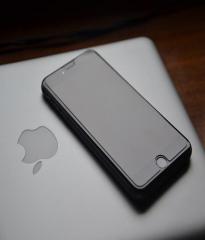 Did you know that every cell phone comes with a warning that it might be unhealthy to hold the phone near your head or stuffed in your pocket? This warning about the hazards of cell phone use comes on a tiny slip of paper which you probably barely even noticed when you unpacked your phone, right before you either held it next to your ear to make a call, or stuffed in your pocket so you could take it with you, since it is called a ‘mobile’ phone in some places.